Net metering remains the strongest financial case for solar on Bangladesh's commercial and industrial rooftops: surplus generation is exported to the grid and credited against consumption, rather than wasted behind a zero-export limiter. Applications run through the utility and the SREDA framework, and the difference between a smooth approval and a stalled one is almost always documentation.
The paperwork that decides the timeline
Prepare the single-line diagram, the sanctioned load details, the roof ownership or lease documents, and the equipment datasheets with model codes that match the invoice exactly. Mismatched model codes between the application, the supply invoice and the installed serials are the most common reason applications are returned for correction.
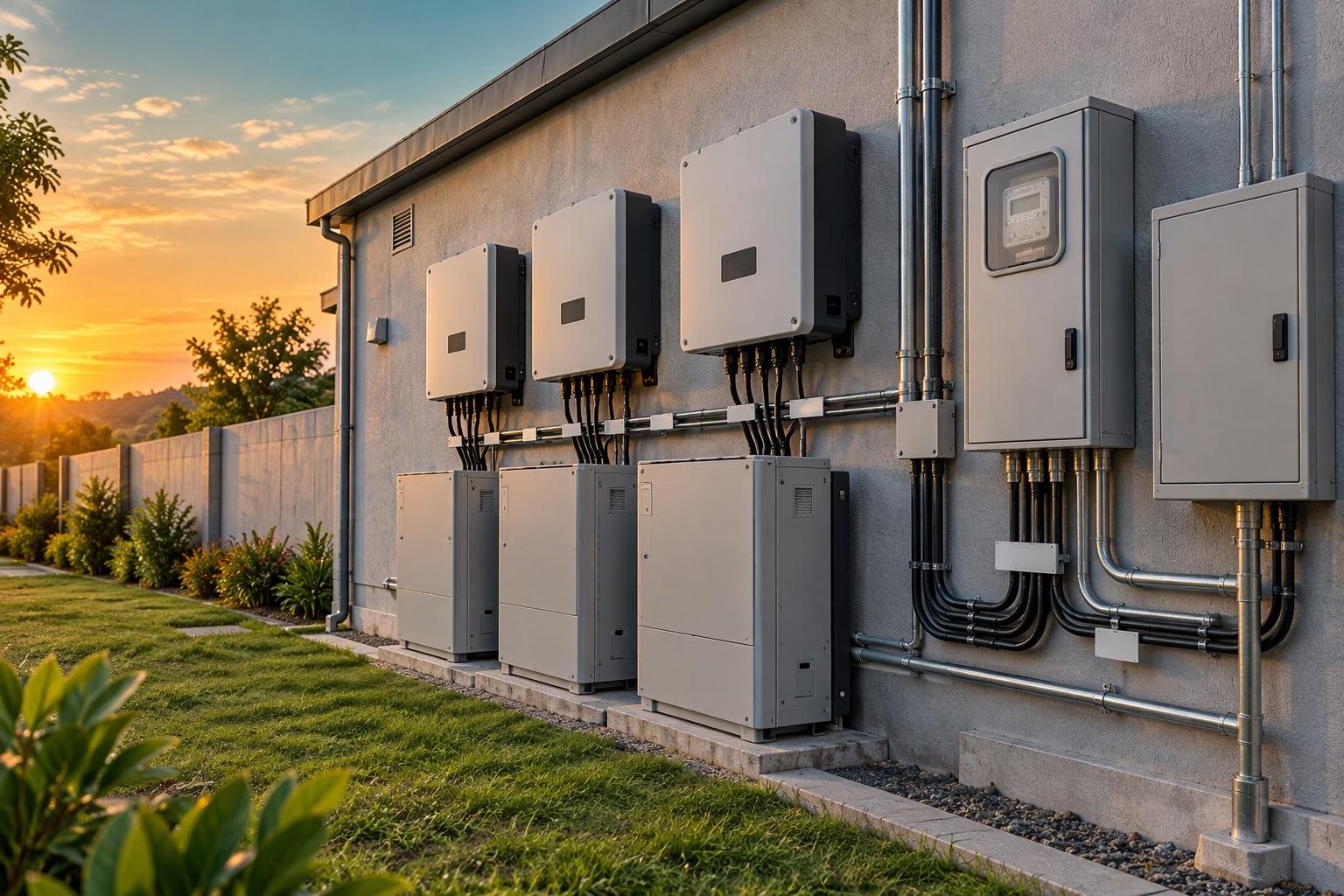
Every Reliance quotation ships with manufacturer datasheets, serial lists and a landed-cost invoice format that maps one-to-one onto the net-metering application. We also coordinate with your installer on the single-line diagram so the inverter ratings on paper match the inverters on the wall.
Where we help — and where we do not
We supply the equipment documentation and technical coordination; the application itself is filed by the owner or their consultant with the utility. Our technical desk answers engineering questions from your consultant free of charge, including export-limit settings and protection coordination on GoodWe hybrid and grid-tied units.
A net-metering application is won or lost on whether the model code on the invoice matches the serial on the roof.
Reliance technical desk